
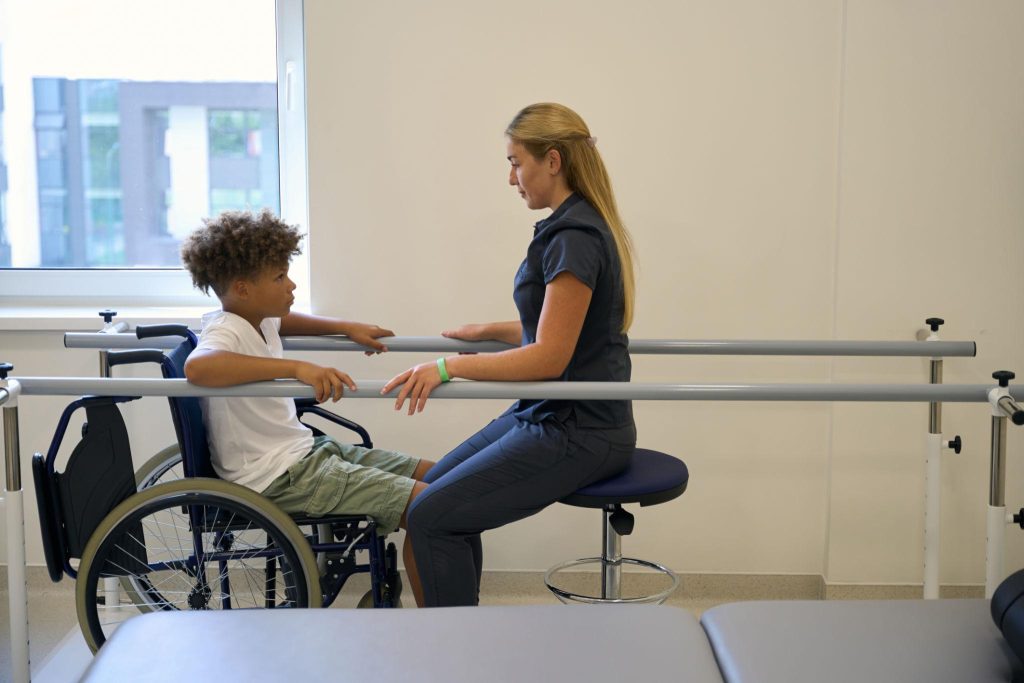
If you or someone you support is on the NDIS, you may have come across Exercise Physiology — but what does it actually involve, and how can it be used in a practical way?
At Focus For Life, we work with NDIS participants across our Belmore & Minto clinics, and surrounding Sydney areas to improve strength, independence, and overall quality of life through structured, goal-based exercise programs.
Here’s a clear breakdown of how Exercise Physiology fits into your NDIS plan — and how it can help.
What is Exercise Physiology under the NDIS?
Exercise Physiology is a clinical service delivered by university-qualified professionals who specialise in using exercise as medicine.
Under the NDIS, Exercise Physiologists support participants with:
- Disabilities
- Chronic conditions
- Developmental delays
- Neurological conditions
The goal is simple:
👉 Improve function, independence, and participation in daily life
What Can You Actually Use Exercise Physiology For?
This is where most people get confused — so let’s make it practical 👇
1. Improving Strength and Mobility
Many NDIS participants struggle with:
- Muscle weakness
- Poor coordination
- Reduced mobility
Exercise Physiology programs are designed to:
- Build strength safely
- Improve walking and movement
- Increase confidence with physical activity
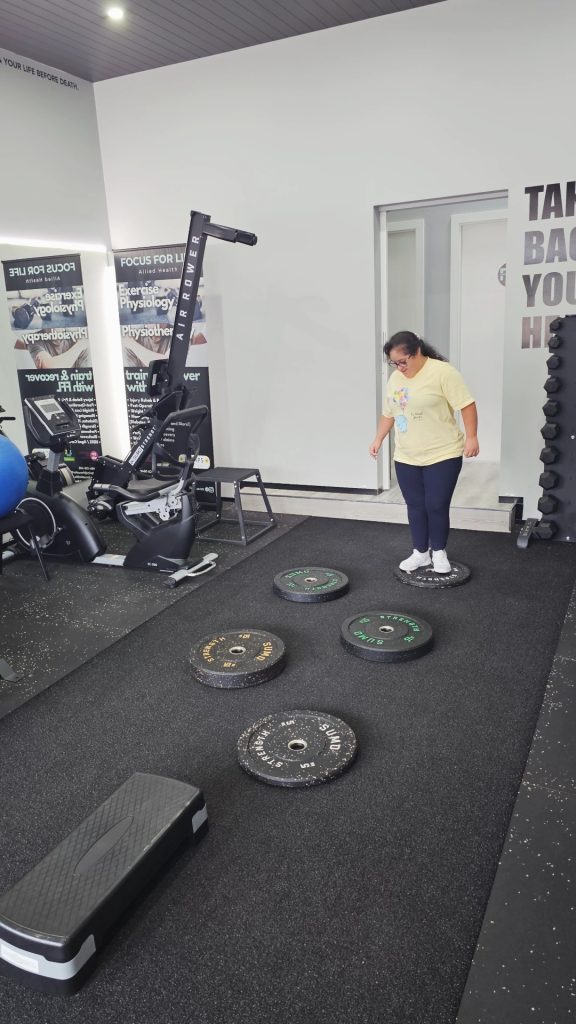
2. Increasing Independence in Daily Tasks
We don’t just focus on “exercise” — we focus on real life outcomes.
That includes helping participants:
- Get up from a chair independently
- Walk longer distances
- Carry out daily tasks more easily
👉 Everything is tied back to your NDIS plan goals
3. Managing Pain and Preventing Injuries
Exercise Physiology can help manage:
- Chronic pain
- Joint issues
- Previous injuries
By improving strength and movement, we reduce:
- Pain flare-ups
- Risk of further injury
4. Supporting Neurological and Developmental Conditions
We regularly support participants with:
- Autism Spectrum Disorder
- Cerebral palsy
- Stroke or neurological conditions
Programs are tailored to:
- Improve coordination
- Build motor skills
- Support behavioural regulation through movement
5. Building Confidence and Routine
One of the most underrated benefits 👇
Participants often experience:
- Increased confidence
- Better routine and structure
- Improved mental wellbeing
👉 Exercise becomes something they enjoy, not avoid
Who Can Access Exercise Physiology Under the NDIS?
Exercise Physiology is typically funded under Capacity Building supports:
- Improved Daily Living
- Improved Health & Wellbeing (not as common)
If you’re unsure whether it’s included in your plan, our team can help guide you.
How to Get Started
Getting started is simple:
- Book an initial assessment
- We review your goals and NDIS plan
- We design a tailored program for you
We offer Exercise Physiology services at our:
📍 Belmore clinic (and surrounding areas)
📍 Minto clinic (and surrounding areas)