
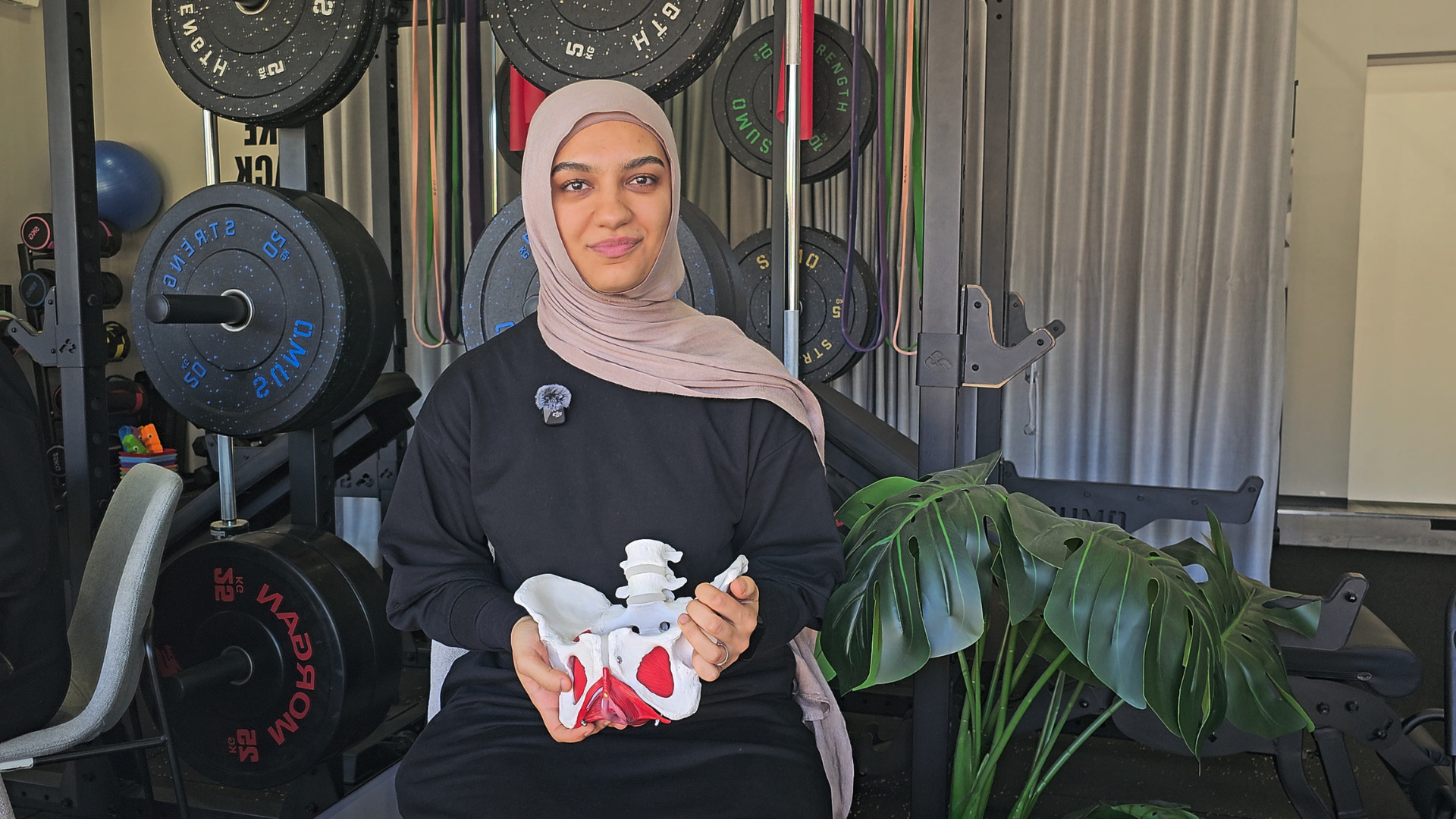
Pelvic Girdle Pain During Pregnancy:
Causes, Symptoms & What Actually Helps
Struggling with pelvic pain during pregnancy? Maybe rolling over in bed has suddenly become painful, walking feels uncomfortable, or getting out of the car causes a sharp pain around your pelvis.
You’re not alone.
Pelvic girdle pain (PGP), sometimes called symphysis pubis dysfunction (SPD), affects around 1 in 5 pregnant women.
Although it’s common, that doesn’t mean you have to simply tolerate the pain until your baby arrives.
The good news? With the right advice, exercises and physiotherapy support, many women can reduce their discomfort and continue enjoying everyday activities throughout pregnancy.

What Is Pelvic Girdle Pain During Pregnancy?
Pelvic girdle pain (PGP) describes pain around the joints and surrounding tissues of your pelvis during pregnancy.
The discomfort may be felt around:
- The pubic bone at the front of your pelvis
- One or both sides of your lower back
- Your hips or buttocks
- Your groin or inner thighs
Some women experience a mild ache, while others develop sharp pain that makes everyday movements difficult.
You might also hear the term SPD (symphysis pubis dysfunction). This is an older term commonly used when pain is concentrated around the pubic symphysis joint at the front of the pelvis.
While PGP can be uncomfortable and sometimes significantly affect your mobility, it does not itself harm your baby.
What Causes Pelvic Girdle Pain in Pregnancy?
Your body undergoes significant changes throughout pregnancy to accommodate your growing baby.
These changes can influence how your muscles, joints and surrounding tissues respond to everyday movement.
Several factors may contribute to pregnancy-related pelvic girdle pain.
1. Hormonal Changes
Pregnancy hormones, including relaxin, contribute to normal changes in the ligaments and connective tissues around your pelvis.
However, pelvic girdle pain isn’t simply caused by having too much relaxin or by your pelvis becoming unstable.
Pain is more complex and can involve changes in movement, loading and tissue sensitivity.
2. Changes in Weight and Posture
As your baby grows, your centre of gravity changes and your body adapts to carry additional weight.
This can change the demands placed on your hips, lower back and pelvic muscles.
Activities that previously felt easy may become uncomfortable.
3. Changes in Muscle Function and Load Tolerance
Your abdominal, hip and pelvic floor muscles all contribute to supporting movement.
During pregnancy, the way these muscles work together can change. Some movements may become more demanding or less comfortable, particularly when you’re tired or already experiencing pain.
This doesn’t mean your pelvis is damaged or that your muscles are necessarily weak.
4. Previous Back or Pelvic Pain
Women with a history of lower back pain, pelvic injuries or pelvic girdle pain in a previous pregnancy may have a greater likelihood of developing symptoms.
However, PGP can also affect women who have never experienced pelvic pain before.
Common Symptoms of Pelvic Girdle Pain
One of the most recognisable features of pregnancy-related pelvic girdle pain is discomfort during everyday movements.
Common symptoms include:
- Pain when rolling over in bed
- Discomfort when walking or climbing stairs
- Sharp pain when getting in or out of a car
- Pain when standing on one leg to get dressed
- Aching around the pubic bone, hips or lower back
- Discomfort when separating your legs
- Clicking or grinding sensations around the pelvis
If you’ve started avoiding certain movements because of pelvic pain, it’s worth getting assessed rather than waiting for things to become worse.
Not all pelvic pain during pregnancy is PGP, and an appropriate assessment can help identify other possible causes.
6 Ways to Relieve Pelvic Girdle Pain During Pregnancy
There’s no single treatment that works for everyone. However, several practical strategies may help manage pregnancy pelvic pain.
1. Modify Painful Movements
Small changes to everyday activities can make a noticeable difference.
Sit when getting dressed, use a pillow between your knees and adjust how you get in and out of the car.
2. Continue Moving Within Your Comfort Levels
It’s understandable to want to stop exercising when you’re in pain.
However, complete inactivity isn’t usually the best approach.
Gentle walking, suitable strengthening exercises or water-based exercise may help you maintain mobility and confidence during pregnancy.
3. Strengthen Your Supporting Muscles
A tailored exercise program can help improve strength, movement tolerance and physical function.
Not every exercise is appropriate for every woman experiencing pelvic girdle pain. A personalised program is generally more useful than following a random online exercise routine.
4. Consider a Pelvic Support Belt
Some women find temporary relief from a pregnancy pelvic support belt.
These belts are designed to provide external support around the pelvis during certain activities. However, they aren’t necessary for everyone, and the fit and positioning matter.
A Women’s Health Physiotherapist can help determine whether a belt is appropriate for you.
5. Balance Activity With Rest
If your pain tends to increase towards the end of the day, your activity levels may be contributing to your symptoms.
This may mean taking regular breaks, reducing repetitive lifting or temporarily modifying household activities.
6. See a Women’s Health Physiotherapist
If your pelvic pain is affecting your sleep, walking, work or daily activities, professional support may help.
A Women’s Health Physiotherapist can assess your symptoms, identify contributing factors and develop a management plan suited to your pregnancy.
Treatment may include:
- Individualised strengthening and mobility exercises
- Advice on everyday movement and activity modification
- Hands-on treatment where appropriate
- Pelvic floor assessment and education when indicated
- Guidance on pelvic support belts
- Strategies to help you remain active throughout pregnancy
What Exercises Are Good for Pelvic Girdle Pain During Pregnancy?
There isn’t one universal exercise program for pregnancy-related pelvic pain.
Exercises such as gentle pelvic tilts, appropriately modified bridges, seated strengthening and controlled hip exercises may be helpful for some women.
However, your symptoms should guide which exercises you perform.
If you’re unsure which exercises are appropriate, especially if you’ve been advised to restrict activity during pregnancy, speak with your maternity healthcare team before starting a new program.
Does Pelvic Girdle Pain Go Away After Birth?
For many women, pelvic girdle pain improves following childbirth.
However, some women continue experiencing symptoms for weeks or months after delivery.
If your pain persists, postpartum physiotherapy can help you gradually rebuild strength, mobility and confidence with movement.
Can You Have a Vaginal Birth With Pelvic Girdle Pain?
In most cases, yes.
Having pelvic girdle pain does not automatically mean you need a caesarean section.
Your midwife, obstetrician and Women’s Health Physiotherapist can help you explore labour positions that are comfortable and avoid unnecessarily aggravating your symptoms.
It can also be helpful to discuss your symptoms with your birth team before labour so they can support your movement and positioning preferences.
When Should You Seek Medical Advice?
Pelvic girdle pain is common, but new or unexplained pelvic pain during pregnancy should not automatically be attributed to PGP.
Speak to your GP, midwife or obstetrician if your pain is increasing, affecting your mobility or interfering with daily activities.
Seek urgent maternity assessment if pelvic or abdominal pain is accompanied by vaginal bleeding, fluid leakage, fever, regular contractions, severe or persistent abdominal pain, or reduced fetal movements when you would normally expect to feel them.
Pregnancy Pelvic Pain Treatment in Belmore:
At Focus For Life, our Women’s Health Physiotherapists supports women experiencing pelvic pain, pregnancy-related discomfort and postpartum recovery concerns.
Located at 468 Burwood Road, Belmore, our clinic provides personalised physiotherapy tailored to your symptoms, goals and stage of pregnancy.
Whether you’re experiencing pain when walking, struggling to roll over in bed or simply want guidance on exercising comfortably during pregnancy, we’re here to help.
Our Women’s Health Physiotherapy services include:
- Pregnancy-related pelvic and lower back pain management
- Pelvic floor assessment and rehabilitation
- Individualised pregnancy exercise programs
- Birth preparation education
- Postpartum recovery support
You don’t need a referral to book an appointment, and eligible private health rebates may be available depending on your cover.
Don’t Let Pelvic Pain Take Over Your Pregnancy
Pregnancy comes with enough challenges. You shouldn’t have to spend every day worried about which movement might trigger your pelvic pain.
Early assessment and individualised treatment can help you better understand your symptoms and find practical ways to manage them.
Frequently Asked Questions
Is pelvic girdle pain the same as SPD during pregnancy?
SPD, or symphysis pubis dysfunction, is an older term often used for pain around the pubic symphysis joint at the front of the pelvis. Pelvic girdle pain is a broader term that also includes pain around the back of the pelvis and surrounding areas.
Can pelvic girdle pain start in early pregnancy?
Yes. Although it’s more common as pregnancy progresses, pelvic girdle pain can develop at different stages of pregnancy.
Should I stop walking if I have pelvic girdle pain?
Not necessarily. Some women benefit from shorter walks, slower walking speeds or changes in activity. If walking aggravates your symptoms, a physiotherapist can help you determine a suitable level of activity.
Can pelvic floor physiotherapy help with SPD?
Yes. Women’s Health Physiotherapy may help manage SPD symptoms through appropriate exercise, activity modification, education and other individualised treatment strategies. Pelvic floor muscle training may be included when appropriate, but it isn’t the only treatment.
Do I need a referral for pregnancy physiotherapy?
No. You can book directly with our Women’s Health Physiotherapist at Focus For Life in Belmore.
This article provides general information and does not replace individual medical assessment or advice from your maternity healthcare team.
Ready To Get Started?
✅ No Referral Needed
✅ Private Health Rebates Available
✅ Medicare Rebates for Eligible Patients
✅ Dedicated Female Women’s Health Physiotherapist
✅ Private & Comfortable Treatment Environment
✅ Book Online in Under 60 Seconds!