
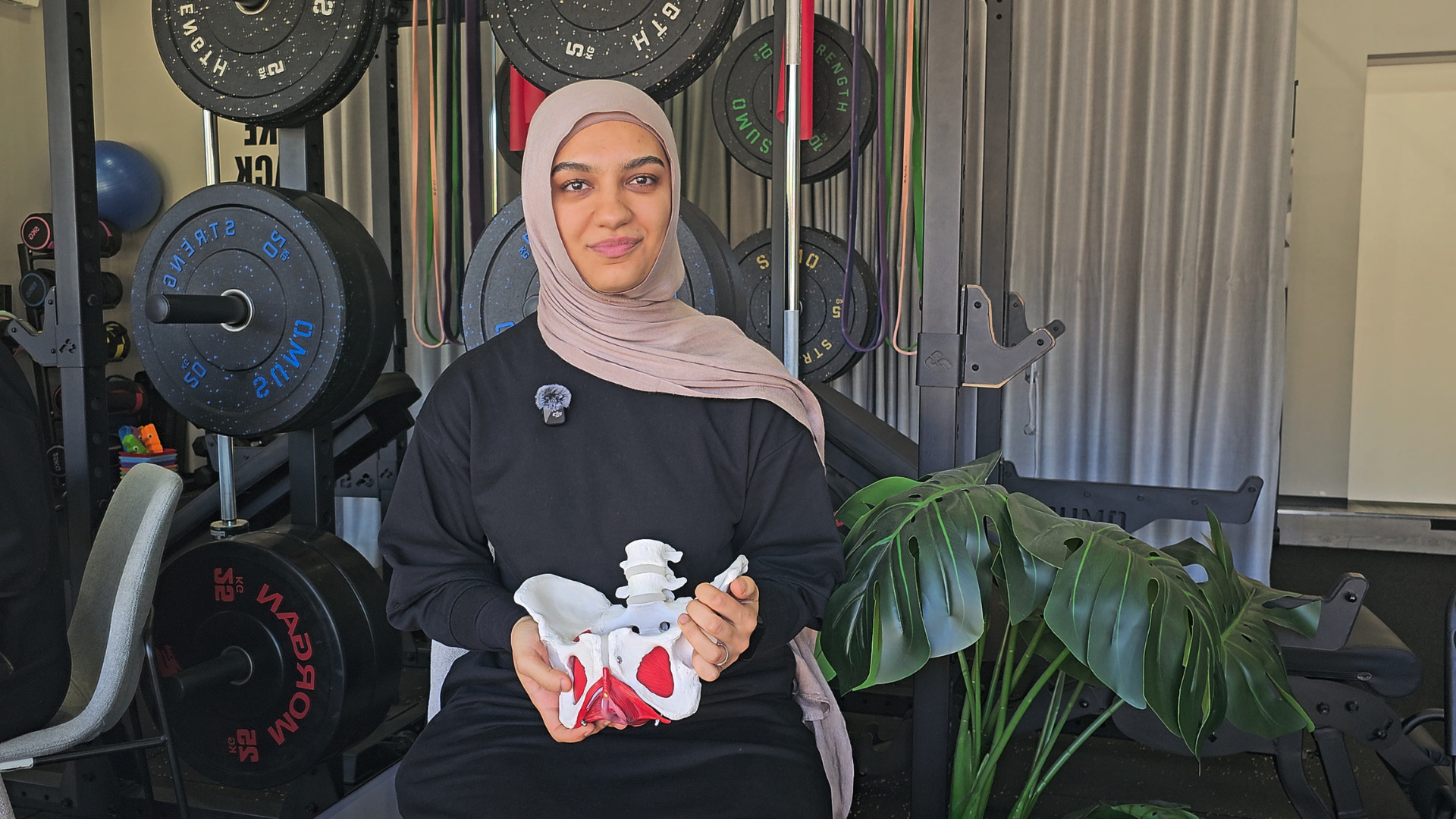
Pelvic Floor & Women’s Health Physiotherapy in Belmore
Get Back to Feeling Confident in your body.
Feel stronger, more comfortable and confident in your body — through every stage of womanhood.
Whether you’re preparing for birth, recovering after pregnancy, experiencing pelvic pain, bladder leakage or changes in your pelvic floor, our Women’s Health Physiotherapist will take the time to understand your concerns and create a personalised treatment plan to help you feel more confident, comfortable and in control.
We Commonly Help Women With...
Your First Appointment: What to Expect
Your first session is all about understanding you, your concerns and your goals. Our Women’s Health Physiotherapist will take the time to discuss your symptoms, medical history and how they’re affecting your daily life.
Depending on your needs, your assessment may include an evaluation of your pelvic floor, posture, movement and strength. An internal pelvic floor assessment may be offered where appropriate, but is always optional and only performed with your informed consent.
Your treatment may include:
-
Pelvic floor muscle assessment and rehabilitation
-
Pregnancy and postpartum exercise programs
-
Bladder leakage and bowel management strategies
-
Pelvic pain management
-
Birth preparation and recovery education
-
Hands-on treatment where appropriate
-
Strengthening and return-to-exercise programs
-
Practical strategies and exercises for home
We understand that discussing pelvic health concerns can feel personal. That’s why we prioritise creating a comfortable, supportive environment where you feel heard and respected.
Ready To Get Started?
✅ No Referral Needed
✅ Private Health Rebates Available
✅ Medicare Rebates for Eligible Patients
✅ Dedicated Female Women’s Health Physiotherapist
✅ Private & Comfortable Treatment Environment
✅ Book Online in Under 60 Seconds!
Common Questions About Pelvic Floor Physiotherapy
Explore answers to the most frequently asked questions about pelvic floor physiotherapy, designed to help you make informed decisions about your health.
What is pelvic floor physiotherapy?
Pelvic floor physiotherapy is a specialized treatment that helps assess and treat the structures that support your bladder, bowel, uterus, and pelvic organs. It can help with symptoms such as leaking, pelvic pain, prolapse, pain during intercourse, pregnancy-related discomfort, and recovery after birth.
Do I need an internal examination?
No. An internal examination is never mandatory and will only be performed with your informed consent if it’s appropriate for your condition. Your physiotherapist will explain all your options, answer any questions, and tailor your assessment to your comfort level.
Is treatment painful?
Most treatments are gentle and designed to work within your comfort levels. While some techniques may feel slightly uncomfortable depending on your symptoms, your physiotherapist will always explain what they’re doing and ensure you feel comfortable throughout your appointment.
Can pelvic floor exercises really help?
Yes. The right treatment can significantly improve symptoms such as bladder leakage, pelvic pain, prolapse, and pregnancy or postpartum discomfort. Treatment may include pelvic floor exercises, education, breathing strategies, manual therapy, and tailored exercise—not just Kegels.
Do I Need a GP Referral?
No referral is needed. You can book directly with our Women’s Health Physiotherapist at any time.
What Should I Wear?
Wear something comfortable that allows you to move easily. If an internal examination is recommended, it will always be discussed with you beforehand and will only proceed with your consent.
How soon after birth can I come?
We generally recommend an assessment around 6 weeks after birth, although some concerns can be addressed earlier if needed. Whether you’ve had a vaginal birth or a caesarean, we’ll tailor your treatment to your stage of recovery.
If you’d like to ask a few questions before booking, schedule a free 10-minute discovery call with Leila.